Project: 1541
1541
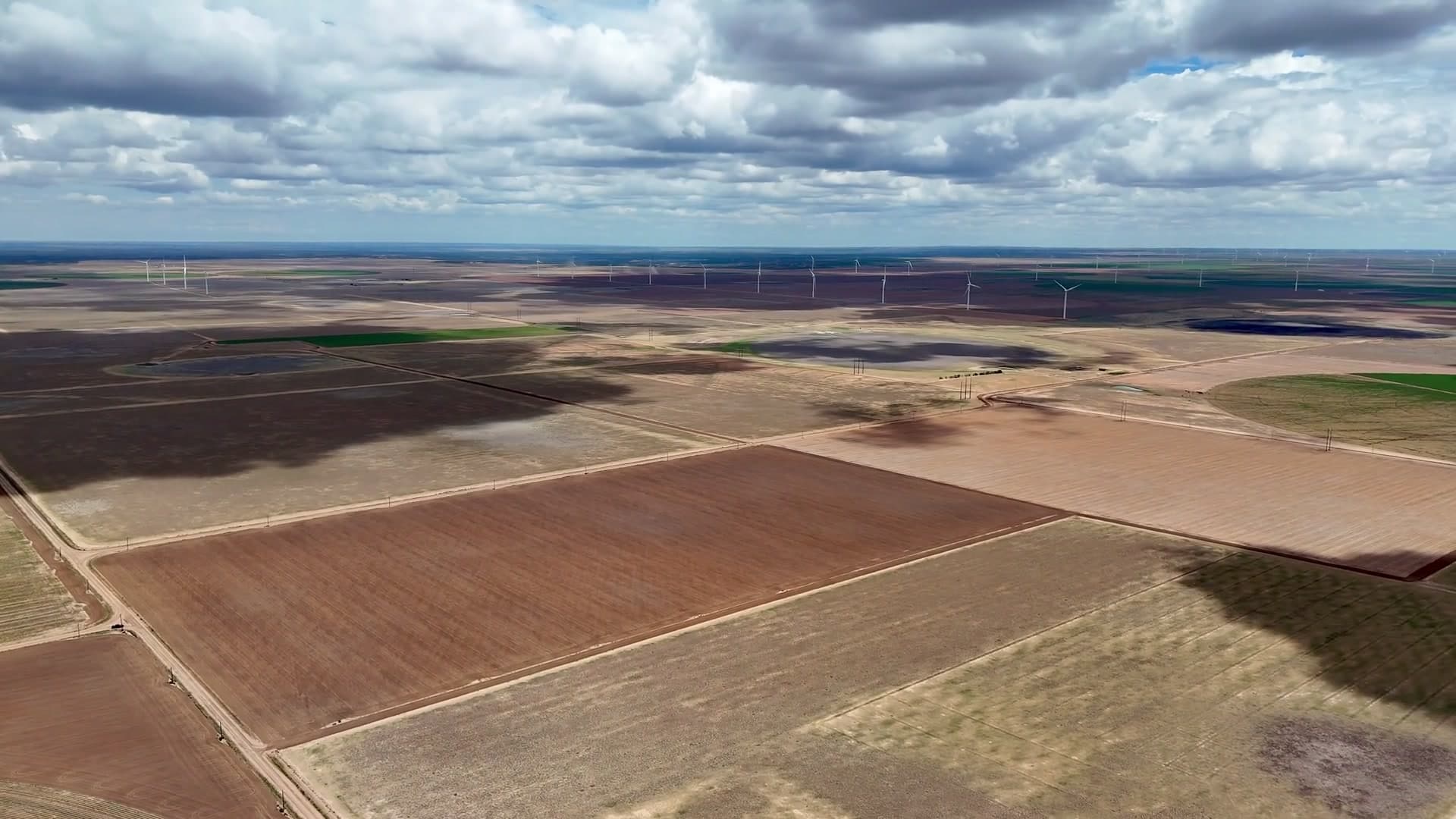
1541 is Sunshine DevCo’s multi-stack energy hub in Floyd County, Texas: solar, storage, next-generation solid oxide fuel cells, and small modular nuclear reactors powering modular compute with closed loop immersive cooling, with on-site manufacturing as a potential component, delivering clean capacity that scales to demand. It all runs behind the meter: power is generated on site and used on site, while generating significant power for two grids, SPP and ERCOT, helping stabilize both.
Power
We generate our own power. Compute never pulls from the grid: every watt the campus uses is made on site, behind the meter. Later phases add small modular reactors: a planned 1 GW of firm, carbon-free nuclear on top of sun, storage, and fuel cells. And the site gives back: surplus generation can flow to both regional grids, SPP and ERCOT, helping keep them balanced and reliable.
Behind the meter
Generation and load share one fence, with no interconnection queue between them. Capacity grows in modular blocks as demand commits, never ahead of it.
Firm generation
Dispatchable natural gas and solid oxide fuel cells deliver around-the-clock power, supplied by pipeline. No drilling, and a minimal surface footprint. Fuel cells run at roughly 99% lower NOx than gas turbines.
Solar & storage
High Plains sun paired with battery storage that firms the solar and trims the gas burn. Wind already spins in the county: this is proven power country.
Low water by design
Closed loop immersive cooling is low-water by design. Solid oxide fuel cells actually create water as they generate, and that water is recovered and reused on site. No public drinking water is used in operations, and there is zero impact on residential rates or public water utilities.
Modular compute · closed loop immersive cooling · schematic
- 1Servers run fully submerged in sealed tanks of nonconductive dielectric fluid. Heat leaves the chips on contact, cutting cooling energy by up to 95% versus air cooling.
- 2A pump skid circulates the warmed fluid out of the tanks and around the loop.
- 3Dry coolers hand the heat to the plains air with fans, the way a radiator cools an engine. Nothing evaporates, so nothing is consumed.
- 4The cooled fluid returns to the tanks and goes around again. The loop is sealed and filled once.
Why so little water: conventional cooling towers spend water to shed heat through evaporation. This loop sheds heat to air instead, so there is nothing to evaporate and nothing drawn from public systems. What little make-up the site needs is covered on site, including the water the fuel cells create as they run.
No public water in operations
Nuclear
Sun and gas power the campus first. Later phases add small modular reactors: a planned 1 GW of firm, carbon-free generation that lifts the ceiling beyond the solar and fuel cell base.
Small modular reactors · later phases · schematic
- 1Factory-built reactor modules arrive by road and install in series: nuclear capacity added the way the rest of the campus grows, block by block.
- 2A sealed loop carries fission heat to a heat exchanger. Fuel is loaded for years of continuous operation, not days of supply.
- 3A conventional turbine generator turns that heat into electricity: firm, carbon-free power at all hours, in any weather.
- 4Power flows behind the meter to the campus. Passive safety systems shut the reactor down with no operators and no outside power required.
Firm carbon-free power, sized in modules
Manufacturing
Manufacturing inside the fence.
1541 is planned with room for on-campus manufacturing as a potential component: solar cells made with our sister company Suniva, and containerized fuel cell units, manufactured on site and consumed by the site, bringing hundreds of direct jobs and trade careers to Floyd County.
On-site manufacturing
If built, the customers would share the fence: the solar field and the fuel cell fleet consuming what is made on campus. American solar cells made in partnership with our sister company Suniva, a domestic supply chain from cells to modules. Made on campus, used on campus.
Modular compute
Factory-built modules arrive complete with power, cooling, and IT, delivered and commissioned in months, not years. Proven at scale in live builds.
The site
1541 is Texas High Plains land with water underfoot, gas by pipe, two power markets and a major fiber route within reach, and sun overhead. Everything a multi-stack energy hub needs, assembled on one site.
Community
Built with the community. Power, manufacturing, and jobs delivered in partnership with the people who live here, without straining the local grid, water utilities, or taxpayers.
What Sunshine DevCo will do
- Create lasting construction and permanent operations jobs at competitive wages for the local community.
- Prioritize training, upskilling, and hiring of residents, including trade careers if on-campus manufacturing is built.
- Support schools, infrastructure, and local services.
- Deploy solid oxide fuel cells delivering approximately 99% lower NOx emissions than gas turbines.
- Use immersive cooling designed for regional water constraints.
- Bear all energy costs of the campus, with no impact on residents' rates or grid stability.
- Invest in local water-system upgrades, workforce programs, and community institutions where we build.
What Sunshine DevCo will not do
- Raise electricity bills for residents or businesses in the host market.
- Use public drinking water systems for cooling or power generation.
- Deploy water-intensive evaporative cooling.
- Require ongoing water draw for cooling or generation during normal operations.
- Reduce grid reliability or available capacity for residential and small-business load.
- Request community, county, or state funding for site development.
- Expose local taxpayers to financial risk on the project.
- Operate without local hiring, workforce, and stewardship commitments in place.
The name · 1541
In 1541, Coronado crossed these plains hunting Quivira, a city of gold. He camped in Blanco Canyon and marched on, never finding it.
We mark the year as a reminder that what he was hunting was here all along: sun overhead, water underfoot, and open land to the horizon.
All figures, capacities, partnerships, timelines, and commitments referenced on this site describe in-development plans and principles. Specific project terms are governed by project-specific agreements with the relevant counties, communities, regulators, and partners. Nothing on this site constitutes a binding offer, contract, or guarantee. While we strive to keep all information accurate and current, the site may contain inadvertent errors or outdated references, and Sunshine DevCo reserves the right to correct or update any information at any time without notice.